Stage 1: Intake scalping and pre-cleaning
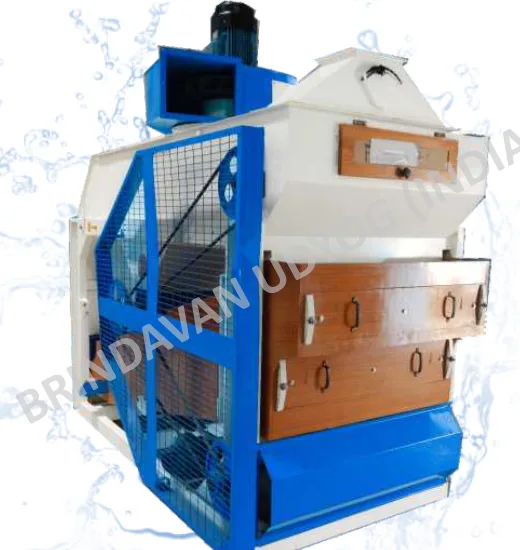
A drum sieve or grain pre-cleaner removes straw, stones, wood and other coarse impurities, plus dust, before grain is stored. This protects elevators, bins and the cleaning machines that follow.
Stage 2: Size separation
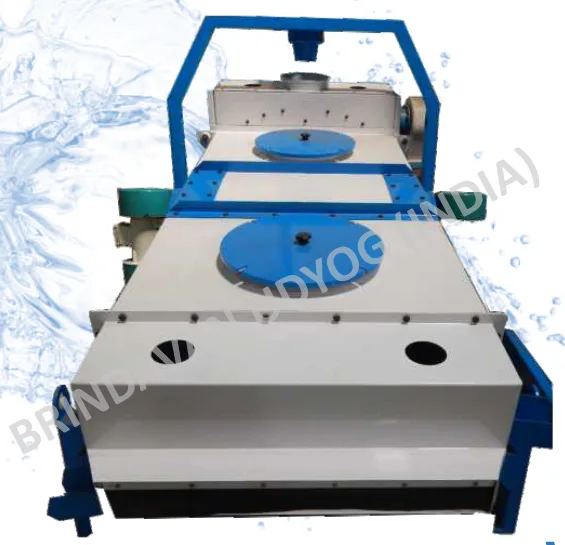
A vibro separator or rotary separator uses sieve decks to remove material that is larger or smaller than the grain. Fitting a duct-type aspiration channel at the outlet removes light impurities and dust.
Stage 3: Density separation
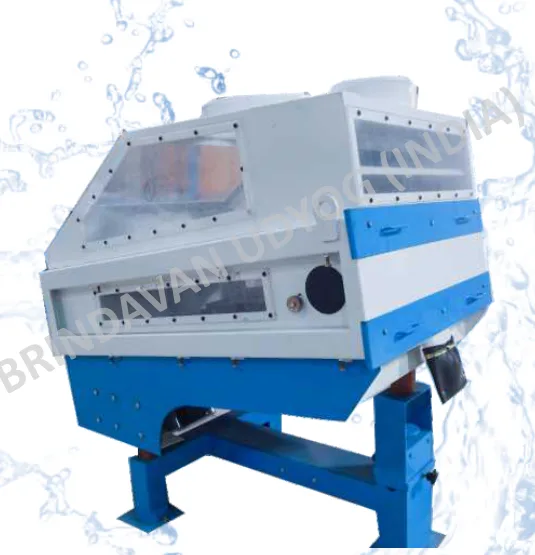
A destoner removes stones and glass that are the same size as the grain but heavier. A gravity selector cum destoner also splits the product into heavier and lighter grain, which is useful for pulses and seeds.
Stage 4: Surface cleaning
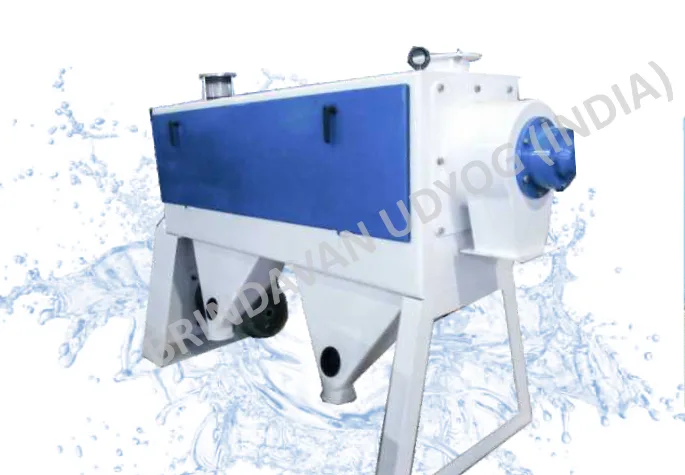
A horizontal scourer removes dirt from the kernel surface along with clods, damaged kernels, pests and empty kernels. An emery roll removes husk from grain, pulses and seeds.
Stage 5: Conditioning
An intensive dampener mixes water evenly into the grain before tempering, so the bran toughens and separates cleanly during milling.
Choosing the right combination
Your grain, its source and your product decide the line. Wheat for flour usually needs every stage. Pulses lean on gravity separation and dehusking. Maize needs good destoning and aspiration. DPG can recommend a cleaning flow sheet from your grain and capacity.