Start with your finished product
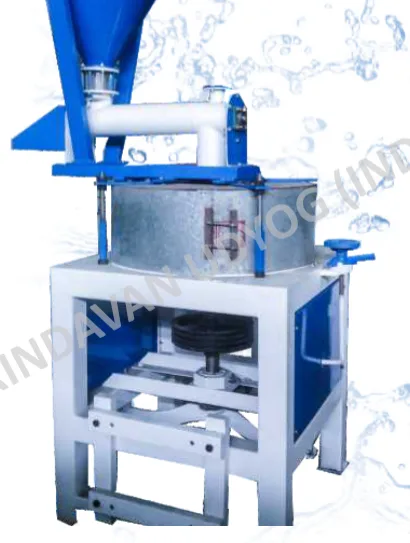
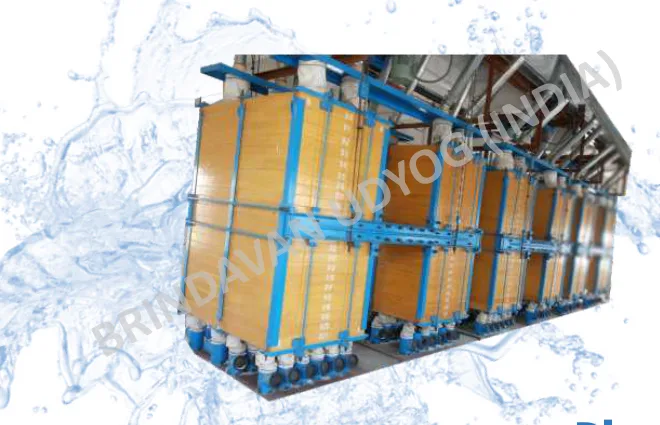
Maida, suji and bran need a roller flour mill with plansifters and purifiers. Whole wheat atta with a traditional taste usually comes from a stone mill (chakki) plant. Besan and fine powders often need a pin mill and gyro sifter. Write down every product and grade you plan to sell before comparing machines.
Fix the capacity you really need
Express capacity in tonnes of grain per 24 hours or per hour, and plan for realistic running hours. Check that every stage, from cleaning and conveying to sifting and packing, is sized for the same throughput. A bottleneck at any stage limits the whole plant.
Do not skip cleaning and conditioning
Stones, dust and uneven moisture damage rolls and stones and lower flour quality. Budget for pre-cleaning, separation, destoning, scouring and dampening. These machines usually cost far less than the damage they prevent.
Check the technical details
- Model sizes and stated capacity on your grain
- Motor power (HP / kW) and your available connected load
- Space required: length, width, height and floor levels
- Construction: mild steel or stainless steel contact parts
- Automation: manual or pneumatic roll engagement, level sensors, drives
Plan for installation and service
Ask who will install and commission the plant, how spare parts are supplied and what support is available after start-up. Get the scope written into the quotation.
What to send for a quotation
Grain type, finished products, capacity, site location, available building or land size, power supply and whether you need individual machines or a complete plant. DPG can then prepare a machine list and technical proposal.