How each machine grinds
A roller mill grinds grain gradually between pairs of steel rolls over several passages, with sifting between each passage. A stone mill grinds the whole kernel between a stationary and a rotating stone in one pass.
Products
Roller mills produce separate streams such as maida, suji/rava, atta blends and bran. Stone mills produce whole wheat chakki atta, which buyers in India often prefer for chapati.
Heat and flour character
Stone mills generate considerable heat through friction, which contributes to the distinctive taste and texture of chakki atta. Roller mills grind with less friction per pass, which suits refined flour and semolina.
Capacity and layout
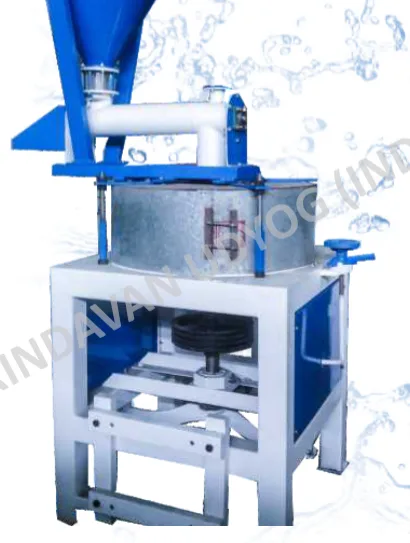
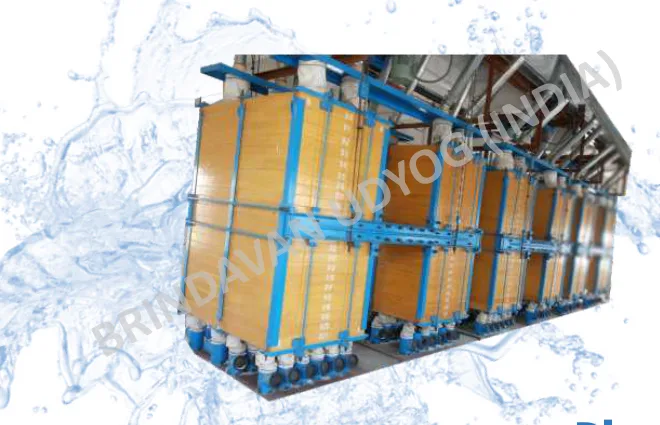
DPG stone mills are rated at 250–300 kg/hr (24") and 350–450 kg/hr (30") per mill, and larger outputs use several chakkis together. Roller mills are arranged in a multi-passage flow with plansifters, purifiers and pneumatic conveying, and scale to larger plants.
Which should you choose?
- Maida, suji and bran for bakeries and wholesale: roller flour mill
- Branded whole wheat atta with chakki taste: stone mill plant
- Both: a combined plant with roller mill and chakki sections
| Criterion | Roller Mill | Stone Mill / Atta Chakki |
|---|---|---|
| Category | Flour Milling & Processing Machines | Flour Milling & Processing Machines |
| Models in DPG catalogue | Cast Iron Diagonal Roller Mill, Automatic Horizontal Roller Mill | 600 mm (24"), 760 mm (30") |
| Key figure | – | Output capacity per hour: 250–300 kg · 350–450 kg |
| Suitable material | Wheat, Durum wheat, Maize, Other cereals | Wheat, Multigrain, Millets |